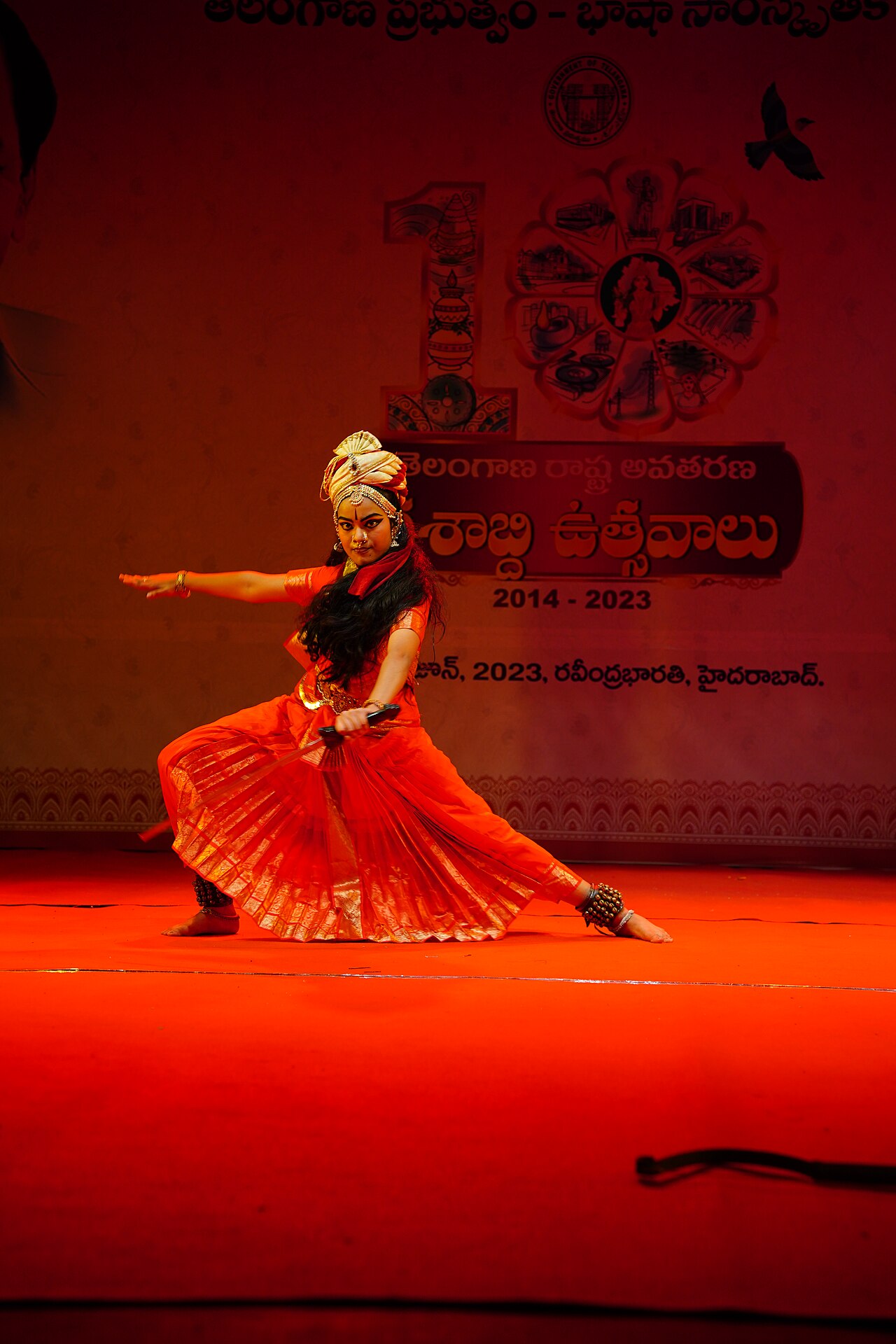
When Telangana was carved out of Andhra Pradesh on 2 June 2014, its critics predicted failure. The water would dry up, they said. The power would go out. The economy would collapse without the resources of coastal Andhra. None of it happened. What happened instead was that a government led by K. Chandrashekhar Rao built, scheme by scheme and year by year, a model of governance that the rest of India spent the next decade studying and copying. It was not accidental. It was the product of a leader who had fought for his state for thirteen years and who, when he finally held power, knew exactly what he wanted to build.
From Telangana to India: Three Schemes That Changed the Nation
Rythu Bandhu Replicated Across States
| State | Scheme Name | Amount Provided |
|---|---|---|
| Government of India | PM Kisan Samman Nidhi | Rs.6,000 per farmer per year |
| West Bengal | Krishak Bandhu | Rs.10,000 per acre per year for both seasons combined |
| Odisha | KALIA (Krushak Assistance for Livelihood and Income Augmentation) | Rs.4,000 per acre for two seasons per year |
| Andhra Pradesh | YSR Rythu Bharosa | Rs.7,500 per farmer per year |
| Telangana (original) | Rythu Bandhu | Rs.10,000 per acre per year, the most generous scheme and the first of its kind |
Recognition from the Nation
| Scheme or Achievement | National Recognition |
|---|---|
| Mission Bhagiratha | Praised by Prime Minister in Mann Ki Baat, May 2016. National Water Mission Award 2019, First Prize. Jal Jeevan Award 2022, First Prize. Recognised by NITI Aayog, 15th Finance Commission and governments of 10 states. |
| Mission Kakatiya | Central Board of Irrigation and Power Best Practices Award 2019. National Water Mission Award 2019 for TWRIS (Telangana Water Resources Information System). |
| Aarogyasri health scheme | NITI Aayog praised Arogya Lakshmi implementation for women's health care. |
| TS-iPass | Ranked 1st in Ease of Doing Business in India in 2016 with a score of 98.78%. Treated as the national benchmark. Government of India used TS-iPass as a model for reforming industrial approvals nationally. |
| Telangana Diagnostics | Recognised as a national model for free diagnostic services in the public health system. |
| 2BHK Housing | Five HUDCO national awards. Recognised as the best example of dignity housing in India, far exceeding national scheme standards. |
| T-Hub | Named the world's largest startup incubation centre. Featured in international publications as India's leading startup ecosystem. |
| Dalit Bandhu | The most ambitious Dalit empowerment scheme in India's independent history. Rs.10 lakh free grant with no repayment, no conditions, no collateral. |
The Telangana Model: What It Proved
The Telangana model proved something that had not been proven before in Indian governance: that a small, newly formed state, carved out of a larger and wealthier unit, could not only survive but lead. It proved that welfare and development were not opposites, that a government could spend Rs.50,000 crore per year on welfare while simultaneously attracting Rs.3,31,000 crore in industrial investment. It proved that treating the farmer as the centre of agricultural policy, rather than the recipient of government charity, produced results that market economists had said were impossible. It proved that greening a state, restoring its tanks, reviving its culture and building its institutions simultaneously was not an overreach but a programme.
The development achieved by Telangana state is a testament for what kind of results can be achieved if the government works with the objective of public welfare and development. Today, Telangana stood as a role model and the Union Government and states are emulating the same schemes and programmes in the country.
Office of the Chief Minister's Public Relations Officer, Government of Telangana, 2023From the 29th State to the Model State
On 2 June 2014, Telangana was the 29th and newest state of the Indian Republic. It had no history as a functioning state, no administrative machinery of its own, no power plants, no revenue surplus, and critics across the country waiting to record its failure. By 2 June 2023, the same day the state completed nine years of self-rule, Telangana had the second lowest maternal mortality rate among large states, the lowest transmission losses in the power sector, the highest per capita IT employment, the most comprehensive farmer welfare architecture, and three national schemes named directly after its own programmes. The prophecy of failure had become the proof of what was possible.