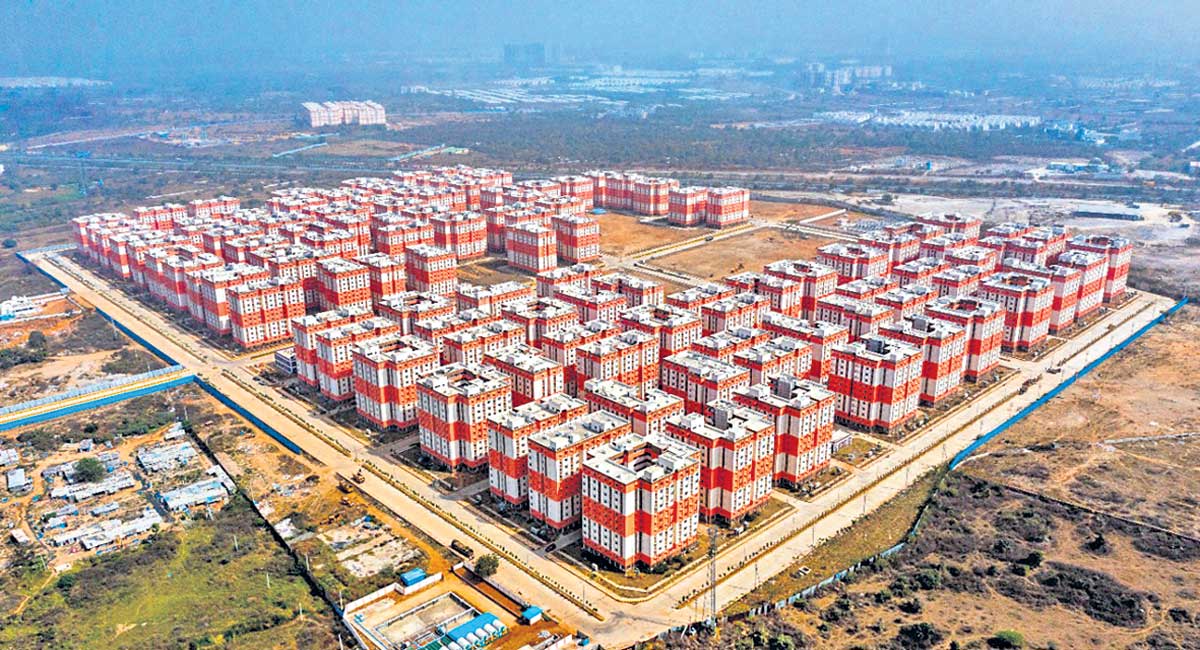
The health and education systems that Telangana inherited in 2014 reflected sixty years of deliberate under-investment. Government hospitals were under-resourced and understaffed. Medical colleges were concentrated in Hyderabad. Schools in rural Telangana lacked toilets, electricity and furniture. The children of Warangal, Adilabad and Mahbubnagar attended schools that the state had not repaired in decades. The KCR government's response was methodical and sustained. It did not attempt a single large reform. Instead it built, scheme by scheme and institution by institution, a healthcare system and an education system that reached the last village and the last child.
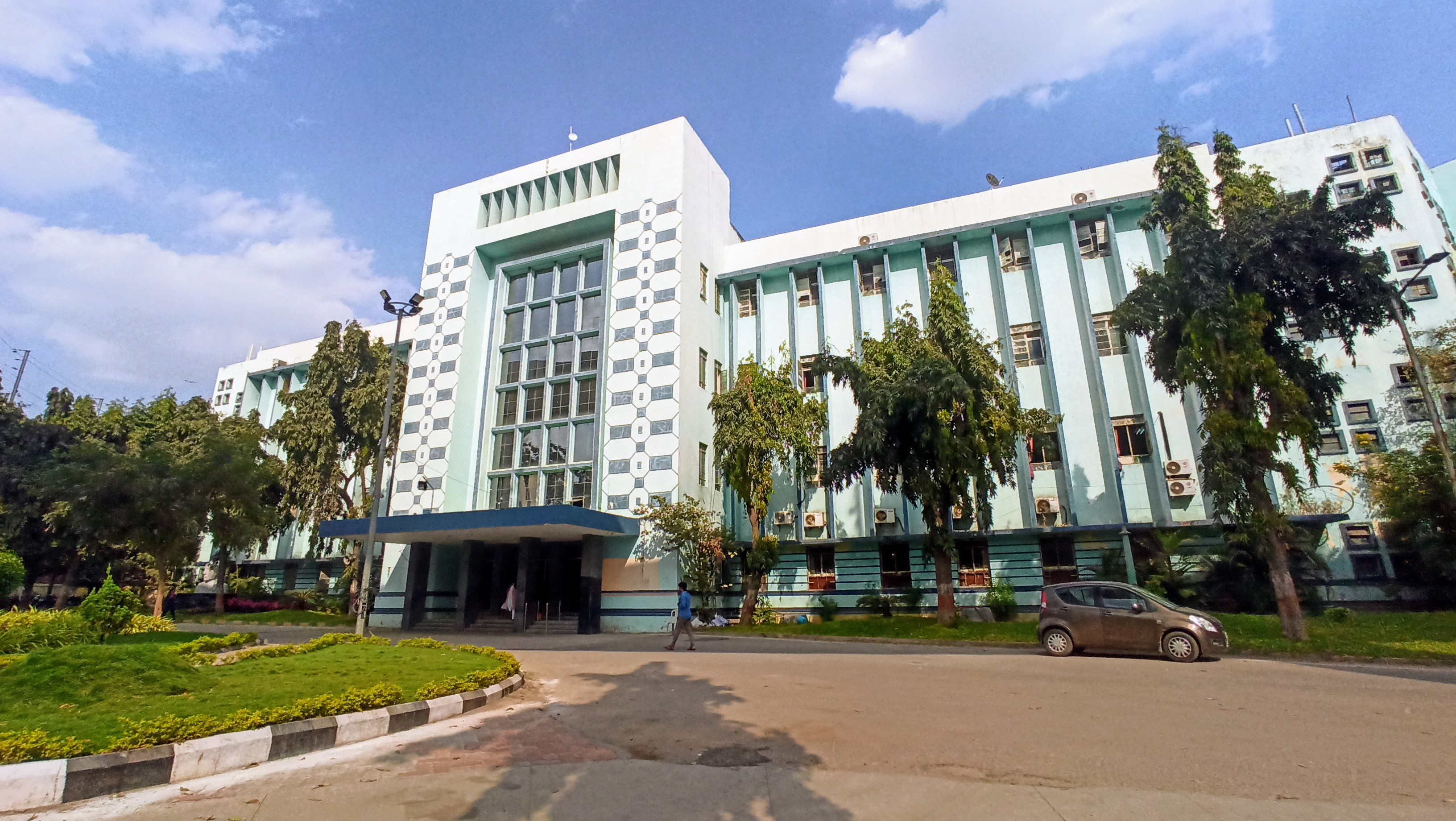
Health Indicators: Before and After Statehood
The most reliable measure of a healthcare system is not the number of hospitals but what happens to mothers and children. On every critical maternal and child health indicator, Telangana's performance improved dramatically between 2014 and 2021, in most cases outperforming the national average and many larger, wealthier states.
Telangana's Health Indicators Compared with Other States
| Indicator | Telangana | Andhra Pradesh | Karnataka | Tamil Nadu | India |
|---|---|---|---|---|---|
| Maternal Mortality Ratio | 43 | 45 | 69 | 54 | 97 |
| Infant Mortality Rate | 21 | 24 | 19 | 13 | 28 |
| Under 5 Mortality Rate | 26 | 31 | 26 | 16 | 35 |
| Neonatal Mortality Rate | 17 | 18 | 16 | 10 | 22 |
| Total Fertility Rate | 1.6 | 1.6 | 1.7 | 1.6 | 2.2 |
Healthcare Infrastructure, Before and After Statehood
| Indicator | 2014-15 | 2020-21 |
|---|---|---|
| Hospital beds | 17,150 | 27,966 |
| Government Medical Colleges | 4 | 34 (26 functional by 2023) |
| MBBS seats in Government colleges | 700 | 2,815 |
| Post Graduate seats in Government colleges | 515 | 1,216 |
| Dialysis Centres | 3 | 43 |
| Basti Dawakhana | 0 | 496 |
| Diagnostic Hubs | 0 | 20 |
| Blood Banks | 18 | 57 |
| RT PCR Labs | 0 | 33 |
| 108 Emergency Ambulances | 331 | 424 |
| Amma Vodi vehicles (102 service) | 0 | 300 |
| Special Newborn Care Units (SNCUs) | 18 | 46 (2023-24) |
| Intensive Care Units | 3 | 20 |
| Maternal ICUs | 0 | 5 |
| Organ Transplant Centres | 2 | 3 |
Major Health Schemes: Scale and Performance
Basti Dawakhana
Urban primary health centres located within slums, each serving 5,000 to 10,000 residents. Free consultation, diagnostics and drugs. Currently 321 operational in GHMC area, 496 total across the state. Total beneficiaries: 2,11,23,408. Total expenditure: Rs.94.87 crore.
Telangana Diagnostics
Hub and spoke diagnostic model launched in 2018. 20 hubs operational. 60 types of tests conducted free of cost including ECG, ultrasound, mammogram, 2D Echo and cancer screening. Total beneficiaries: 42,33,046. Total tests conducted: 1,50,91,872. Total expenditure: Rs.233.80 crore.
Aarogyasri
Cashless treatment scheme merged with Ayushman Bharat PMJAY in May 2021. Maximum coverage increased from Rs.2 lakh to Rs.5 lakh per family per year. Total beneficiaries since 2014: 15,39,994. Total expenditure: Rs.6,823.59 crore across nine years.
108 Emergency Ambulance Service
424 ambulances currently operational, up from 331 at state formation. 298 new ambulances purchased. 100 ambulances received as donation. 398 old ambulances replaced. Total beneficiaries since 2014: 43,94,413. Total expenditure: Rs.632.17 crore.
Employee and Journalist Health Scheme
Cashless treatment for all state government employees, pensioners and journalists including their dependent family members. 344 empanelled hospitals. 12,04,654 beneficiaries enrolled. Total beneficiaries since 2014: 3,65,200. Total expenditure: Rs.1,475.19 crore.
TIMS Gachibowli
Telangana Institute of Medical Sciences, a state-of-the-art multi-speciality hospital with a total bed strength of 1,261 beds, including 137 ICU and ventilator beds and 843 oxygen beds. Four TIMS hospitals sanctioned in Hyderabad, one super-specialty hospital in Warangal.
Special Newborn Care Units
46 SNCUs operational across the state, equipped with advanced medical technology and trained healthcare professionals. A total of 64,310 children admitted to SNCUs during 2023-24 alone (up to June 2024).
Education: The Largest Expansion of Residential Schooling in India
Residential Schools, Junior Colleges and Degree Colleges
| Category | Before 2014 | Added After 2014 | Total | Students |
|---|---|---|---|---|
| SC Residential Schools | 132 | 104 | 236 | 1,13,280 |
| ST Residential Schools | 91 | 70 | 161 | 66,168 |
| BC Residential Schools | 19 | 275 | 294 | 1,33,720 |
| Minority Residential Schools | 12 | 192 | 204 | 97,920 |
| General Residential Schools | 35 | 0 | 35 | 16,920 |
| SC Residential Junior Colleges | 112 | 126 | 238 | 38,389 |
| ST Residential Junior Colleges | 30 | 88 | 118 | 23,840 |
| BC Residential Junior Colleges | 0 | 142 | 142 | 25,440 |
| Minority Residential Junior Colleges | 2 | 202 | 204 | 32,640 |
| SC Degree Colleges | 0 | 30 | 30 | 25,200 |
| ST Degree Colleges | 0 | 22 | 22 | 14,020 |
| BC Degree Colleges | 0 | 16 | 16 | 6,000 |
| Total Residential Schools | 289 | 641 | 930 | 4,28,008 |
Mana Ooru Mana Badi: Rebuilding Every Government School
Launched in January 2022, Mana Ooru Mana Badi was the most comprehensive government school infrastructure programme in the history of Telangana. All 26,065 government schools were to be upgraded across three phases with a total budget of Rs.7,289.54 crore. In Phase I alone, 9,123 schools covering 12,96,167 students were taken up at Rs.3,497.62 crore. The programme covered 12 components: toilets with running water, electrification, drinking water, furniture, painting, major and minor repairs, green chalkboards, compound walls, kitchen sheds, new classrooms, dining halls and digital classrooms in high schools.
| Other Education Achievements | Details |
|---|---|
| Government schools in Telangana | 26,815 schools with 23,35,952 students enrolled |
| New admissions in government schools, 2022-23 | Over 1 lakh new students, showing migration from private to government schools |
| English medium introduced | English medium instruction introduced in all government schools statewide |
| New government degree colleges | 15 new degree colleges established after statehood, one in every assembly constituency. Total faculty grew from 450 to 1,940. |
| Gross Enrollment Ratio | 36.2% for government degree colleges, higher than the national average |
| DOST system for degree admissions | Degree Online Services of Telangana introduced 2016-17 for transparent admissions. Won Scotch Platinum Award in technology category in 2017. |
| T-SAT educational app | Ranked No. 1 app in India with 1.2 million downloads. Digital lessons transmitted for III to X class students through T-SAT Vidya and Nipuna channels. |
| Pre-matric scholarships, SC and ST | Rs.611.43 crore spent by the government on pre-matric scholarships for SC and ST students. |
| Post-matric scholarships, SC, ST, BC and minorities | Rs.16,704 crore spent on post-matric scholarships across all communities. |
| Library facilities in government schools | Library facilities provided to 91% of government schools statewide. |
| Residential institutions specifically for girls | 270 residential educational institutions established specifically for girl students. |
| Jawaharlal Nehru Technological University | JNTUH colleges established at Sirisilla and Vanaparthi after statehood. JNTUH College of Pharmaceutical Sciences at Sultanpur, Sangareddy, established 2021-22. |
The Telangana government's idea is to provide good education, better accommodation and good food to the students, and to make future women healthy and high. Telangana is the only state in the country with the highest number of Gurukula Vidyalayas.
Government of Telangana, School Education DepartmentHealth and Education, Key Achievements at a Glance
- Maternal Mortality Ratio halved from 92 to 43 per lakh live births. Better than the national average of 97 and better than Andhra Pradesh, Karnataka and Tamil Nadu.
- Infant Mortality Rate fell from 39 to 21 per 1,000 live births. Full immunisation coverage rose from 68% to 96%.
- Government Medical Colleges grew from 4 at formation to 34 across all 33 districts, 26 of them functional by 2023. MBBS seats grew from 700 to 2,815. PG seats grew from 515 to 1,216. A medical college for virtually every district.
- Hospital beds increased from 17,150 to 27,966. Dialysis centres from 3 to 43. Basti Dawakhana from zero to 496. 2,11,23,408 urban poor treated free of charge.
- 46 Special Newborn Care Units operational. 64,310 children admitted in 2023-24 alone.
- 930 residential schools educating 4,28,008 students, up from 289 schools and 1,25,391 students in 2014. 641 new schools added after statehood. Government spends Rs.1,25,000 per student per year.
- Mana Ooru Mana Badi allocated Rs.7,289.54 crore to upgrade all 26,065 government schools across 12 components including digital classrooms, toilets, furniture and compound walls.
- Post-matric scholarships of Rs.16,704 crore provided to SC, ST, BC and minority students. Pre-matric scholarships of Rs.611.43 crore for SC and ST students. 270 residential institutions built specifically for girl students.