Water is not an abstract resource in Telangana. It is the difference between a harvest and a drought, between a farmer who survives and one who does not. The crisis of water in Telangana's agricultural districts, the fluoride-poisoned wells of Nalgonda, the near-desert conditions of Mahbubnagar through which the Krishna runs for its longest stretch in any single district, the collapse of the tank irrigation system from 13 lakh acres to 5 lakh acres after the merger, is not a natural crisis. It is a manufactured one, the result of fifty years of systematic denial of Telangana's rightful share in the rivers that flow through its land.
The States Reorganisation Commission had warned about this in 1955, noting in Para 377 that Telangana specifically feared losing its "independent rights in relation to the utilization of the waters of the Krishna and the Godavari" if it merged with Andhra. The fear was entirely justified. Every major irrigation project that the Government of Hyderabad had planned for Telangana was either abandoned, truncated, or delayed for decades after the merger. Meanwhile, irrigation in Andhra's coastal delta expanded rapidly, funded in part by revenues that the Gentlemen's Agreement had reserved for Telangana's own development.
The Rivers and Telangana's Rightful Share
The Bachawat Tribunal, constituted by the Government of India to allocate Krishna waters between the three riparian states of Maharashtra, Karnataka and Andhra Pradesh, allocated 811 TMC of water to Andhra Pradesh. If catchment area had been used as the principal criterion for distribution within the state, as it is normally used between states, Telangana should have received at least 68.5% of that 811 TMC. If additional factors of cultivable area, rainfall, sub-soil water levels and the region's backwardness were also taken into account, Telangana's entitlement would have been not less than 70%. The actual allocation made for projects in Telangana was around 35%. The actual utilisation was only about 10 to 11%.
The area which we are considering for irrigation formed part of Hyderabad State, and had there been no division of that State there were better chances for the residents of this area to get irrigation facilities in Mahabubnagar District. We are of the opinion that this area should not be deprived of the benefit of irrigation on account of the reorganization of States.
Krishna Water Disputes Tribunal Report, Page 178, on Mahbubnagar DistrictProjects Abandoned After the Merger
The Government of Hyderabad had planned major irrigation projects to provide water to approximately 70 lakh acres in Telangana. After the merger, every single one of these projects was either shelved, curtailed or kept in indefinite abeyance. The list is documented in the official records.
Projects Truncated and Deliberately Delayed
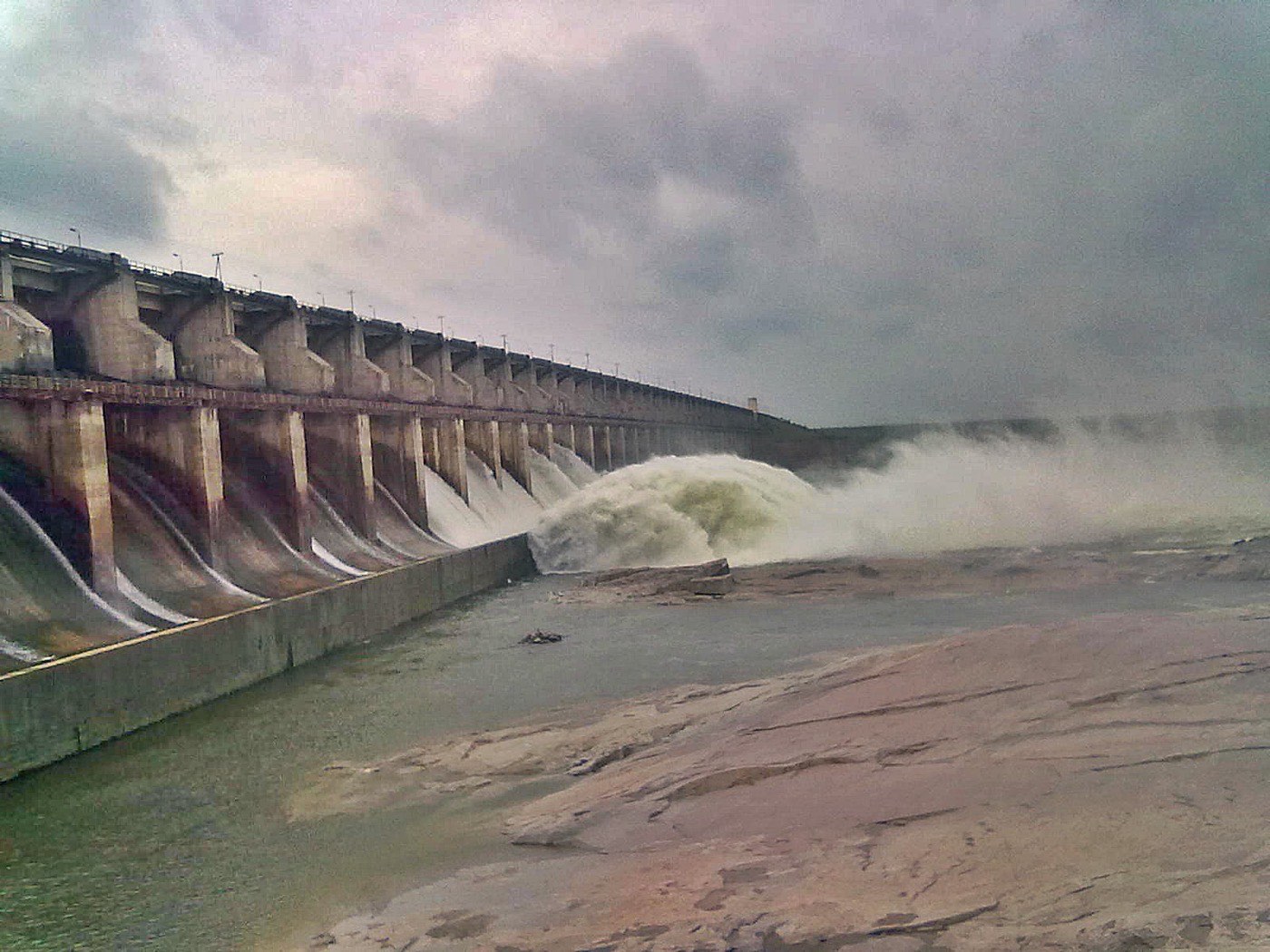
Projects Inherited From Hyderabad State, Neglected to Ruin
Decline of Inherited Irrigation Projects in Telangana After Merger
| Project | Original Capacity / Ayacut | Actual After Merger | Loss |
|---|---|---|---|
| Nizamsagar | 2.75 lakh acres ayacut, 25.6 TMC storage | Barely 1 lakh acres, 60% storage capacity lost to siltation | 64% of ayacut |
| RDS (Rajolibanda Diversion Scheme) | 87,500 acres | Not more than 30,000 acres | 66% loss |
| Kadam Project | 68,000 acres | 30,000 acres | 56% loss |
| Upper Manair | Functional project | Now effectively a dead project | 100% |
| Koilsagar | 3.9 TMC capacity | Actual utilisation 1.6 TMC | 59% unused |
| Dindi | 3.7 TMC capacity | Actual utilisation 1.6 TMC | 57% unused |
| Ghanpur Anicut | 30,000 acres since 1905 | Less than 10,000 acres | 67% loss |
| Tank Irrigation Network | 13 lakh acres (70,000 tanks) | Barely 5 lakh acres | 8 lakh acres lost |
Source: Government of AP irrigation records, Outcome Budget 2007-08, and official data on project capacities.
The Tank Irrigation Catastrophe
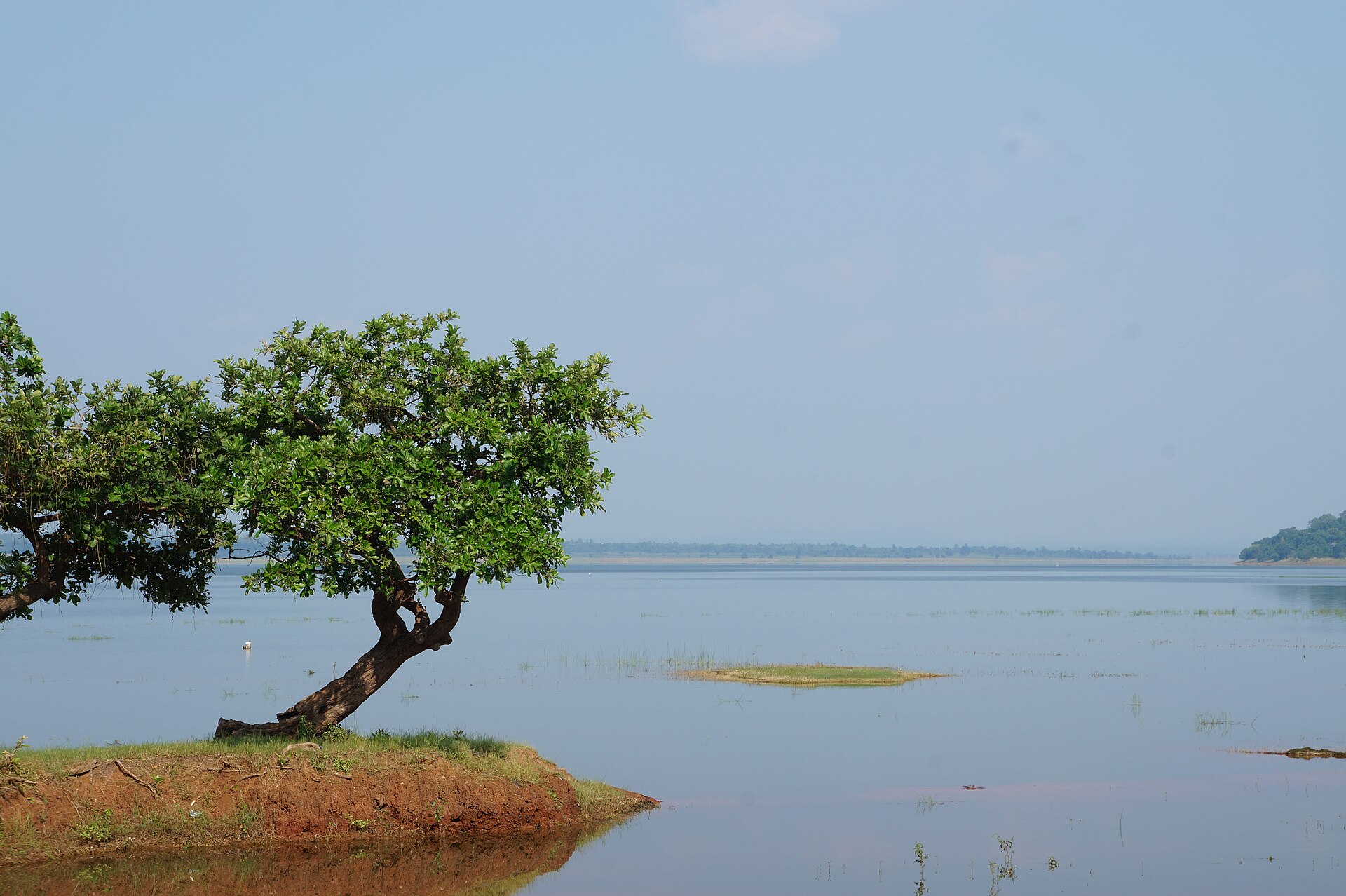
Perhaps the most devastating single aspect of Telangana's water crisis is the collapse of its tank irrigation network. Before the merger with Andhra, Telangana had approximately 16,000 large tanks each irrigating more than 100 acres, 60,000 small tanks with capacity below 100 acres, and about 4,000 kathwas and cross-bunds irrigating 5 to 10 acres each. Together, these 70,000 tanks irrigated about 13 lakh acres. The tanks had been developed over four to five centuries by the Kakatiya, Qutubshahi and Asafjahi dynasties. Many had been functional for 500 years and more. The Ramappa tank, the Paakala tank, the Ghanpur and Laknavaram tanks were among the oldest functioning irrigation systems in Asia.
After the merger, the state government claimed to have spent several thousands of crores of rupees on the maintenance and development of minor irrigation. If true, the area under tank irrigation should have increased substantially. Instead it fell steeply, from 13 lakh acres to barely 5 lakh acres, a collapse of 8 lakh acres over 54 years.
How Telangana's Tanks Were Destroyed After the Merger
- Silt accumulated in tanks was not removed, steadily reducing storage capacity year after year.
- Breached tanks were not repaired. Farmers watched their water sources disappear while funds went elsewhere.
- Tanks that were operational were deliberately damaged to promote urbanisation in and around major towns, especially the capital city. The land freed up became real estate for migrant investors.
- Small and marginal farmers, deprived of their irrigation source, were forced to abandon cultivation and sell their land at distress prices to wealthy migrants from Coastal Andhra.
- These lands became a goldmine for the migrant settlers to conduct real estate business. The development of Film City, Hi-Tech City, East City and similar projects displaced the original people from both their vocations and their homes.
- The government's own statistics show that between 1956 and 2007, canal irrigation in Telangana increased by 2.65 lakh acres, but tank irrigation fell by 9.25 lakh acres, a net loss of 6.6 lakh acres from sources the government is responsible for.
- Well irrigation, funded entirely by farmers themselves at costs of approximately Rs.1 lakh per acre, increased by 30 lakh acres. The government then claimed credit for the total increase while hiding the collapse of the systems it was responsible for maintaining.
The Farmer Who Paid for His Own Water
The collapse of canal and tank irrigation forced Telangana's farmers into a deeply unequal situation compared to their counterparts in Coastal Andhra. A farmer in Andhra's delta received water from government-built canals at a cost of approximately Rs.200 to 250 per acre per year, a heavily subsidised rate with the entire infrastructure cost borne by the state from public funds.
A farmer in Telangana had no canal. He had to sink a borewell himself, install a pump at his own cost, pay power tariffs and bear the cost of frequent pump repairs caused by erratic voltage fluctuations. The total capital investment required was approximately Rs.1 lakh per acre. By 2010, the number of pump sets working in Telangana had reached approximately 18 lakhs, each irrigating on average 3 acres. Telangana's farmers had invested more than Rs.25,000 crores of their own money over 45 years to provide for themselves what the state government had provided to Andhra's farmers from public funds.
The farmer will have to pay from his pocket for sinking well and for buying pump-set. In addition, he is required to pay power tariff. He has to also incur huge expenses on getting the water pumps repaired as they get frequently damaged because of erratic fluctuations in voltage. It is thereby a self-financed scheme of development, whereas most of the farmers in Coastal Andhra get water at a heavily subsidised rate besides not spending anything on the infrastructure. It is evidently a public funded development. How can and how long this unjust disparity be tolerated?
On the inequality between Telangana and Andhra farmers in irrigation accessThe inability to service borewell debt, combined with the uncertainty of groundwater availability and the unreliability of electricity supply, created the conditions for the farmer suicide crisis that became one of Telangana's defining tragedies in the decades before statehood. Mahbubnagar, the district through which the longest stretch of the Krishna river in any single district of India flows, became agriculturally one of the most distressed districts in the country. That was not geography. That was policy.