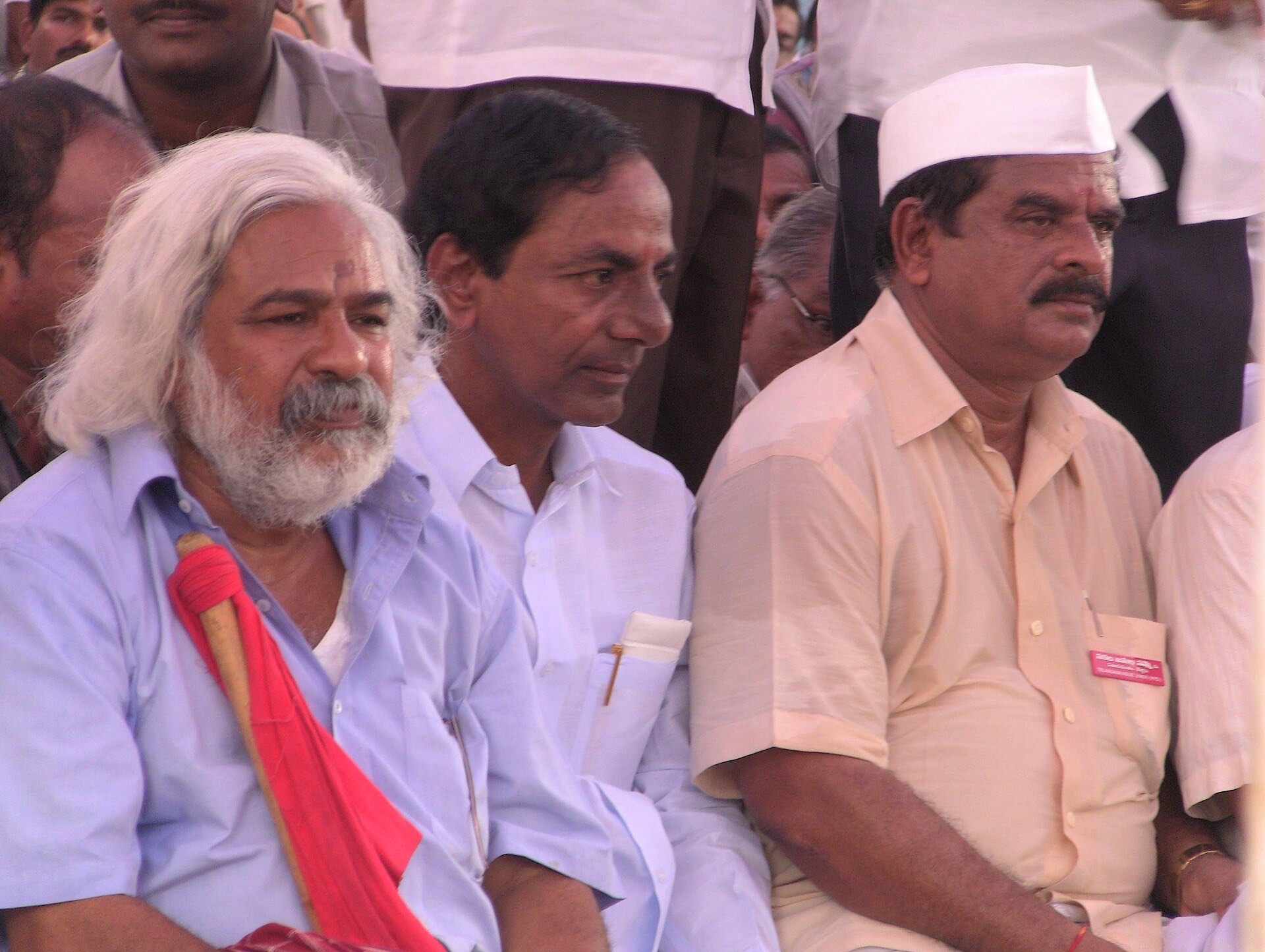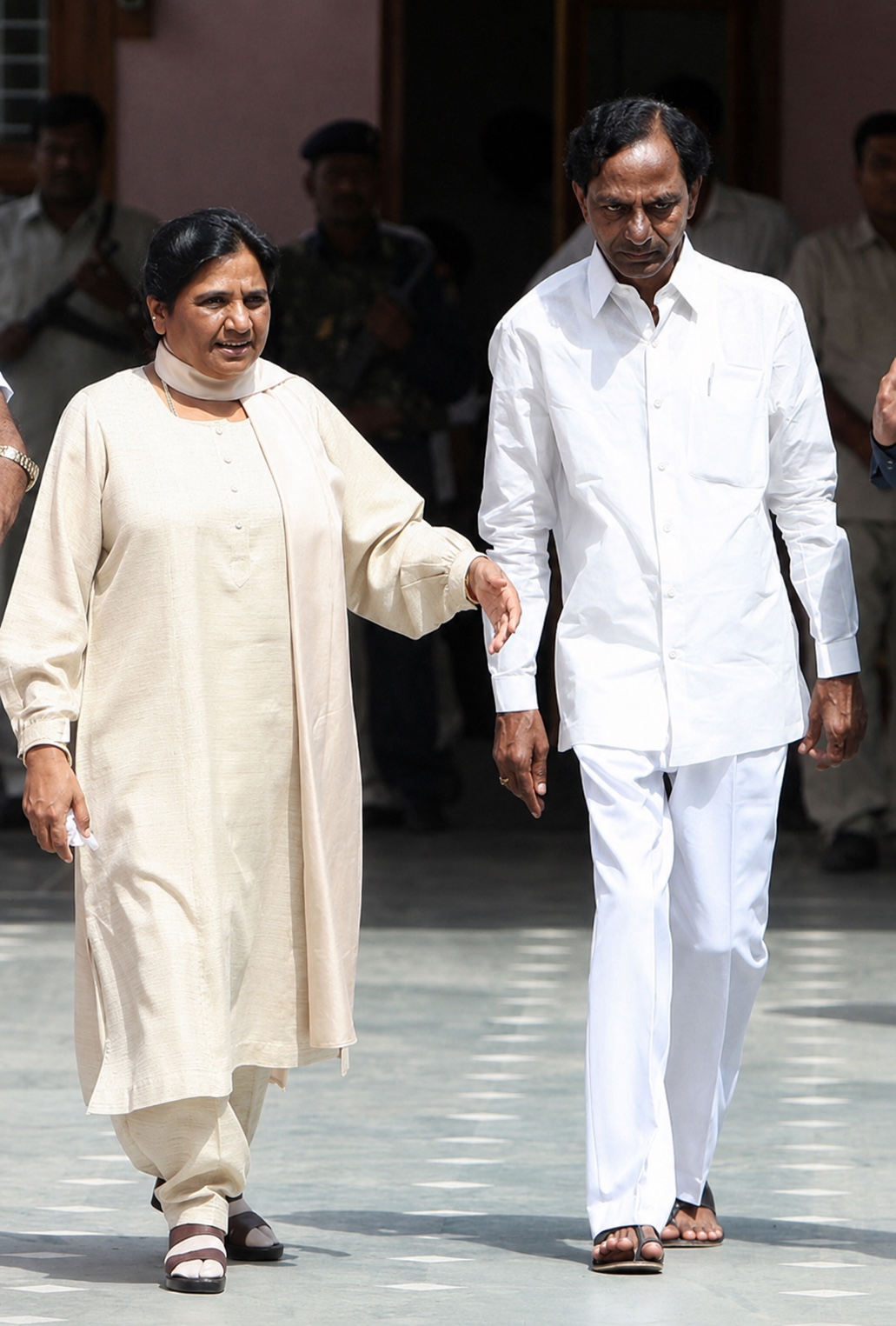
The entry of TRS into the UPA coalition in 2004 represented the most significant political breakthrough for the Telangana movement since its inception. For the first time, the demand for a separate state was not merely an agitational demand or an academic argument. It was a commitment written into the governing programme of the national government, supported by parties across the political spectrum and read out by the President of India in his address to the joint session of Parliament.
The betrayal that followed was not a sudden reversal. It was a slow and deliberate evasion, a process of promising to consider the matter, then finding reasons why the moment was never quite right, then allowing the commitment to fade from priority, then watching it disappear entirely from the government's active agenda. It was a betrayal by a thousand deferrals rather than a single decisive reversal.
The Breadth of Support
One of the most important and least acknowledged facts about the Telangana statehood demand in the 2004 to 2009 period is the extraordinary breadth of political support it had accumulated. When Pranab Mukherjee, heading the UPA sub-committee on Telangana, wrote to all political parties in Parliament seeking their views, the responses confirmed overwhelming support across every part of the political spectrum.
It is abundantly clear that the consensus arrived at, in favour of formation of Telangana State was not only very wide but was also overwhelming. If the UPA does not consider it as consensus, then what else could it be, and what more is it searching for?
TRS submission to Sri Krishna Committee, 2010, on the breadth of political support for Telangana statehoodThe Evasion
Despite this overwhelming consensus, the UPA government did not act. The sub-committee under Pranab Mukherjee collected the responses from political parties and then let the matter rest. The Congress party's position, that it was the initiator of the exercise and therefore a formal letter was not necessary, was used to avoid any clarity on the party's own commitment. The phrase "at an appropriate time after consultations and consensus" proved to be infinitely elastic, capable of meaning any time or no time depending on the political convenience of the moment.
How the UPA Evaded Its Commitment, 2004 to 2009
- 2004: Commitment made in Common Minimum Programme. Pranab Mukherjee sub-committee constituted to pursue consultations.
- 2004 to 2006: Sub-committee wrote to parties, collected responses showing overwhelming support, then allowed the matter to stall without any follow-up action.
- 2006: When TRS pressed for fulfilment of the commitment, the Congress government found no "appropriate time" to act. TRS withdrew from the UPA coalition in protest, sacrificing its ministerial positions.
- 2006 to 2009: Telangana statehood effectively placed in cold storage. No new initiative from the UPA. No fresh engagement with the commitment made in 2004.
- 2009 general elections: Congress party campaigned in Telangana as the party most capable of delivering statehood, extracting votes on the strength of that promise without any new commitment to a specific timeline.
- After 2009 elections: With a stronger majority, the Congress government was less dependent on regional parties and the Telangana commitment slipped further down the priority list.
- November 2009: K. Chandrasekhar Rao's hunger strike from 29 November finally forced the issue to a crisis that the government could no longer defer.
TRS Withdraws From UPA: 2006
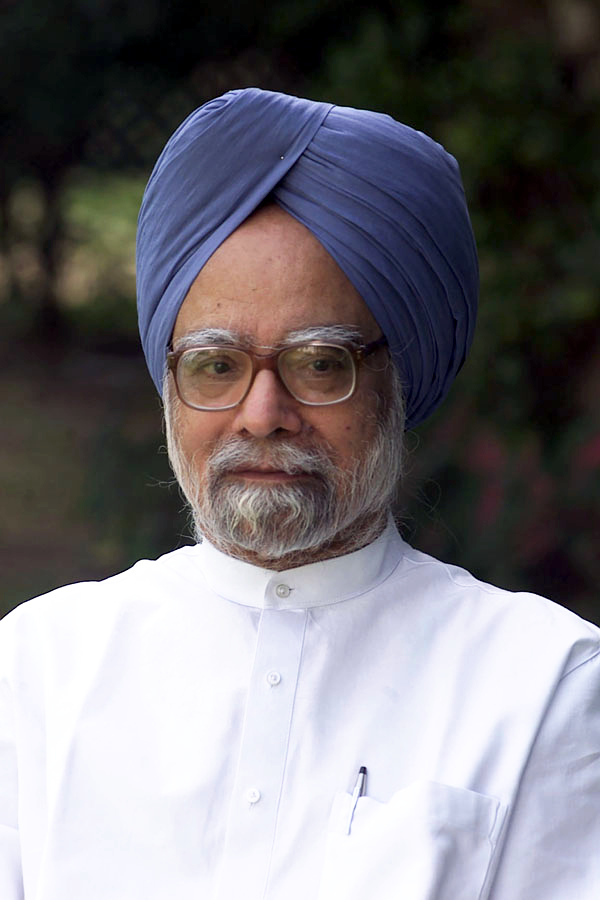
When it became clear by 2006 that the UPA government had no intention of honouring its commitment within any foreseeable timeframe, K. Chandrasekhar Rao took the decision to withdraw TRS from the coalition. This meant giving up ministerial positions and the access to government that coalition membership provided. It was a significant political sacrifice, made to demonstrate that TRS's commitment to Telangana statehood was not negotiable.
The withdrawal also served to highlight the betrayal publicly. A party that had joined a coalition on the specific strength of a commitment on statehood, and that was now leaving because that commitment had not been honoured, made visible what the Congress government preferred to keep invisible: that it had made a promise and was not keeping it.
The 2009 Elections: Votes Without Delivery
In the 2009 general elections, the Congress party campaigned heavily in Telangana on the statehood issue, presenting itself as the only national party capable of delivering what TRS had been demanding. The strategy worked electorally. Congress swept Telangana constituencies on the strength of the statehood promise. But the promise, like all its predecessors since 1956, came without a binding commitment or a specific timeline.
The result was that by mid-2009, Telangana's people had voted overwhelmingly for parties that had promised statehood, a stronger majority had been produced in Parliament with those votes, and yet no action had been taken. The demand had never been more widely supported in Parliament. The government had never been less willing to act on it. The contradiction between democratic mandate and political inaction had never been more stark.
It was that contradiction, and the five years of UPA evasion that had produced it, that drove K. Chandrasekhar Rao to begin his fast unto death on 29 November 2009. Every other avenue had been tried. The democratic process had produced overwhelming support. The coalition strategy had extracted a formal commitment. The withdrawal from the coalition had demonstrated seriousness of purpose. Nothing had worked. The hunger strike was the final instrument of a democratic struggle that had exhausted every other option.