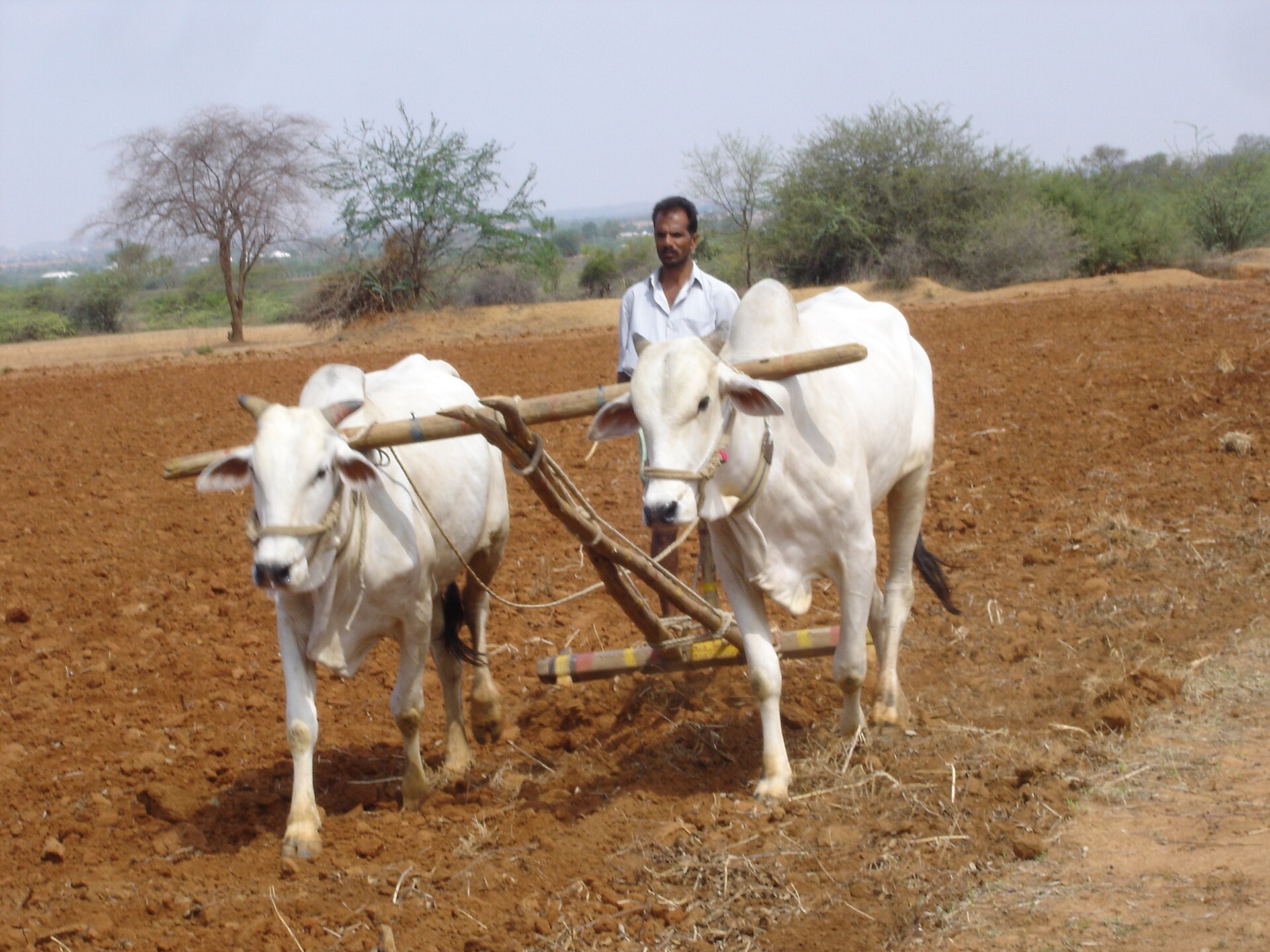
The water question was not simply an agricultural matter. It was existential. Entire districts of Telangana, Mahbubnagar, Nalgonda, Adilabad, had watched their farmers commit suicide year after year, driven to desperation by crops that failed because water never came. Children in Nalgonda drank fluoride-contaminated groundwater because no surface water infrastructure had ever been built for them. Villages in Mahbubnagar had no drinking water at all. The rivers ran full and the people went thirsty. When KCR's government took office, it set about answering this grievance with a scale of ambition that the country had not seen before.
Three programmes defined the water transformation: Mission Bhagiratha, which brought drinking water to every household; Mission Kakatiya, which restored the ancient tank network that had been allowed to collapse; and the Kaleshwaram Lift Irrigation Project, which lifted the Godavari itself to the fields of thirteen districts that had never known assured irrigation. Together they represent the most comprehensive water infrastructure investment in the history of any Indian state.
Mission Bhagiratha: Water at Every Doorstep
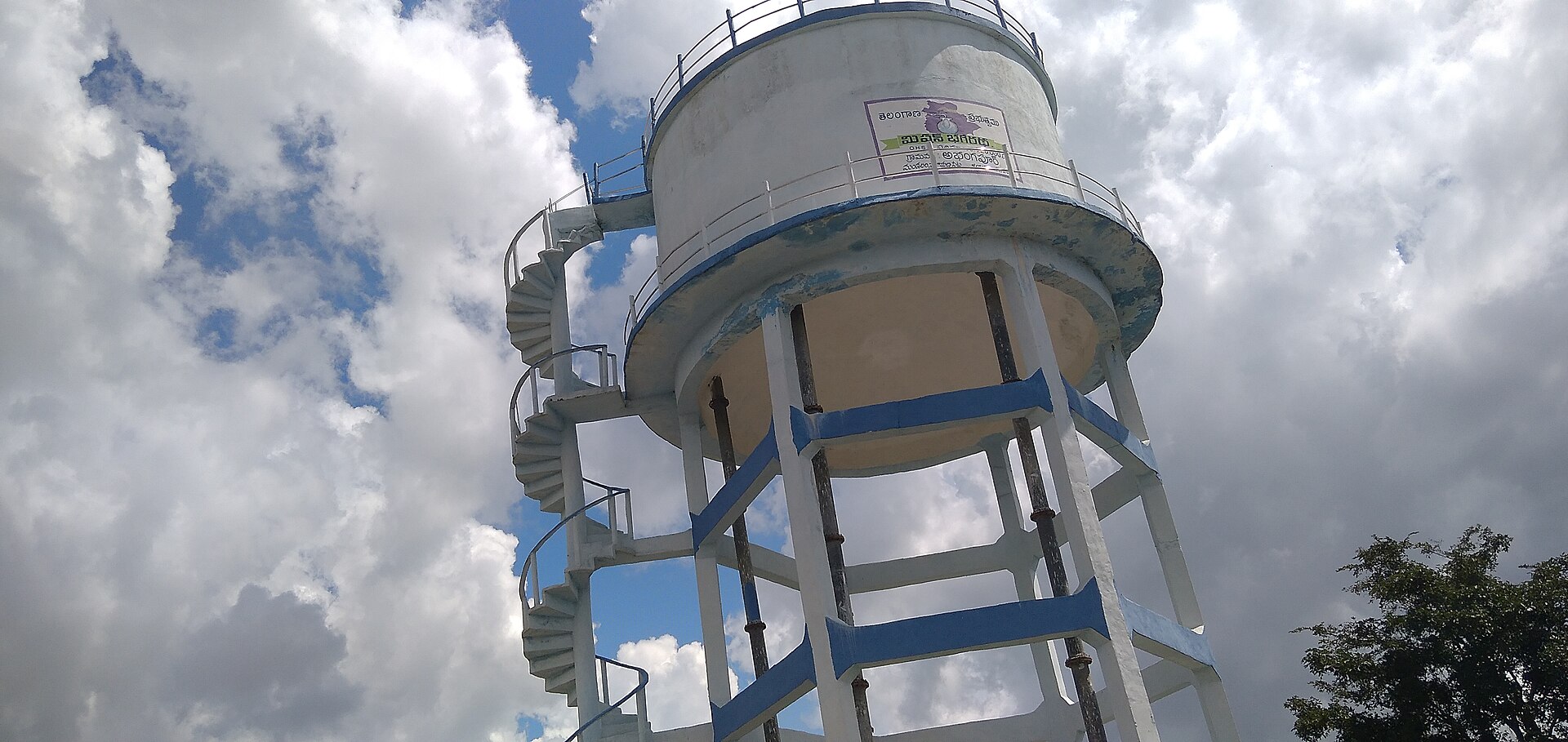
The fluorosis crisis in Nalgonda had been documented for decades. Children were growing up with deformed bones because the only water available was contaminated with fluoride from the ground. In Mahbubnagar, women walked kilometres every day to fetch water from sources that were neither safe nor reliable. Mission Bhagiratha was designed to end this, permanently, by drawing water from the surface rivers Krishna and Godavari and treating and piping it to every home. The project was commissioned within three years of commencement, a timeline that infrastructure experts described as remarkable for a programme of this scale.
| Parameter | Achievement |
|---|---|
| Rural habitations covered with treated water supply | 23,839 |
| Isolated habitations covered through Individual Solar schemes | 136 |
| Urban Local Bodies covered with bulk supply | 121 |
| Rural households with Functional Household Tap Connections (FHTCs) | 57.01 lakh |
| Schools provided functional tap connections | 23,517 |
| Anganwadi centres provided functional tap connections | 27,257 |
| Total people reached | 2.72 crore |
| Total expenditure | Rs. 38,200 crore |
| Water supplied per capita per day, rural | 100 LPCD |
| Water supplied per capita per day, municipalities | 135 LPCD |
| Water supplied per capita per day, municipal corporations | 150 LPCD |
Prime Minister Narendra Modi made special mention of Mission Bhagiratha in his Mann Ki Baat on 22 May 2016, applauding the Telangana government's efforts in the drinking water sector. NITI Aayog, the 15th Finance Commission and governments of Andhra Pradesh, Uttar Pradesh, West Bengal, Bihar, Maharashtra, Tamil Nadu, Madhya Pradesh, Karnataka and Odisha all acknowledged Mission Bhagiratha as a model to emulate. The Central Government launched its own Har Ghar Jal scheme directly inspired by Mission Bhagiratha, extending the same commitment to tap water for every household across the country.
Awards and National Recognition for Mission Bhagiratha
- National Water Mission Award 2019, First Prize, for increasing water use efficiency by 20%
- Jal Jeevan Award 2022, First Prize, for exemplary performance in regularity of tap water supply to rural households
- SKOCH Award 2018, for Online Monitoring System and Mobile Apps developed in-house
- HUDCO Award, three times, 2014-15, 2016-17 and 2018-19, for outstanding contribution in infrastructure through innovative initiatives
- Telangana is the first large state in the country to achieve 100% coverage of rural households with Functional Household Tap Connections through sustainable surface water sources
Mission Kakatiya: Restoring Seven Centuries of Inheritance
The decision to name the programme after the Kakatiyas was deliberate. It connected the new government's work to the greatest irrigation legacy in Telugu history and framed the restoration as a continuation of what had been interrupted in 1956, not a new programme but the resumption of something ancient. Farmers who had watched their fields dry up over five decades saw their tanks filled again. The groundwater table rose across the state as the surface storage was restored.
| Parameter | Achievement |
|---|---|
| Total tanks taken up for restoration | 27,819 |
| Tanks restored and completed | 27,625 |
| Total expenditure | Rs. 5,464 crore |
| Ayacut stabilised | 15.05 lakh acres |
| Storage capacity restored | 9.61 TMC |
| Groundwater level increase | 4.14 metres over 6 years |
| Groundwater volume increase, 2013 to 2023 | From 472 TMC ft to 739 TMC ft, a 56% increase |
| Dependency on groundwater, 2013 to 2023 | Dropped by 19% |
| Check dams constructed | 1,416 on 4th to 8th order streams |
| OT sluices constructed | 3,000, connecting all MI tanks to canal system |
Kaleshwaram: Lifting the Godavari to the Sky
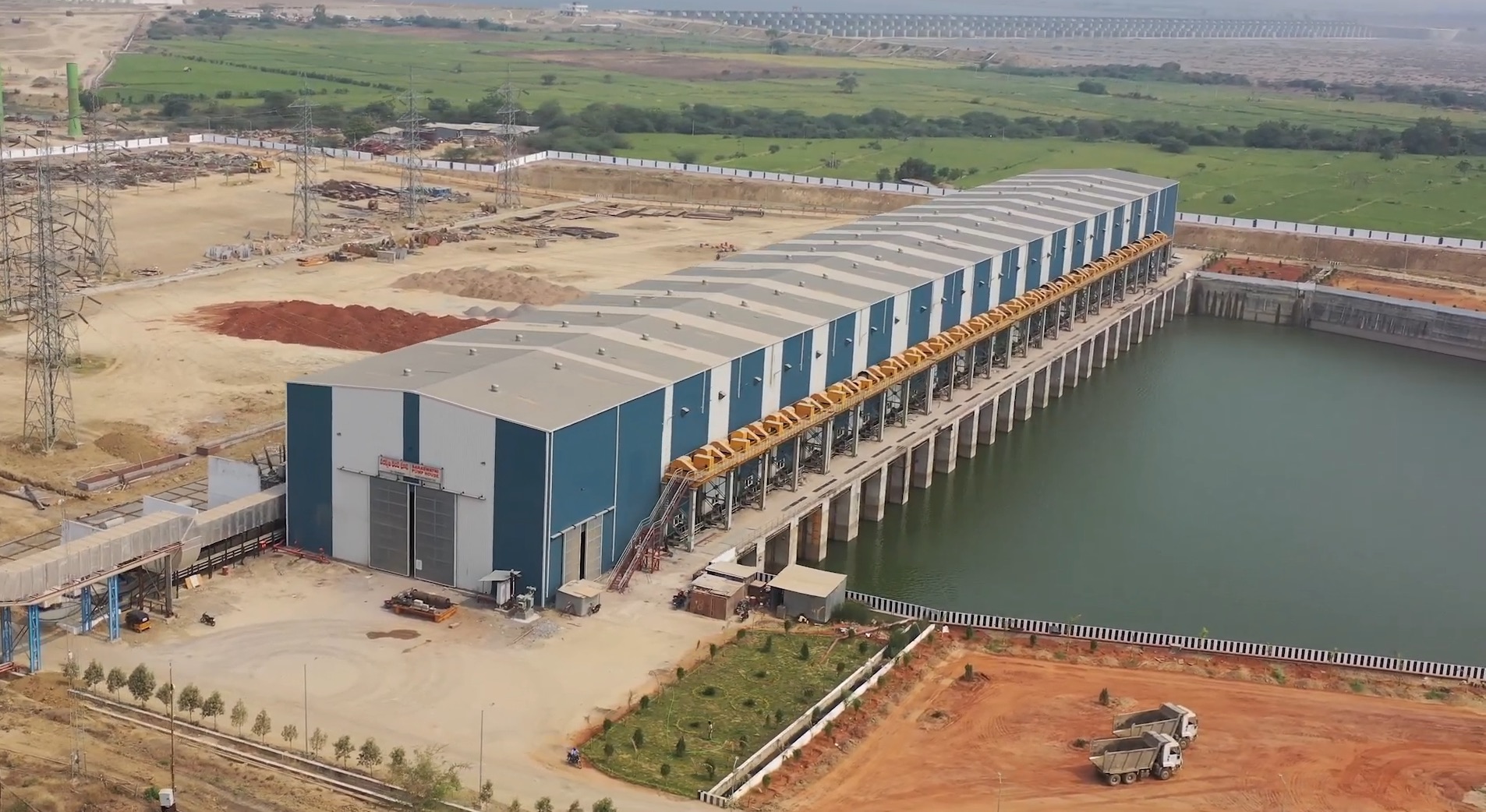
The scale of Kaleshwaram is difficult to comprehend in ordinary terms. Its total power demand is 4,959 megawatts. Its total storage capacity is 141 TMC. The three barrages, named Lakshmi, Saraswathi and Parvathi, impound the Godavari at different points and feed the lift system that carries the water uphill through a network of tunnels and reservoirs until it reaches the fields of Karimnagar, Nizamabad, Medak, Nalgonda and the other districts that had been denied irrigation for six decades. An inter-state agreement with Maharashtra, completed in the same period, secured the water allocation that made the project possible.
| Parameter | Details |
|---|---|
| New ayacut to be created | 18.25 lakh acres across 13 districts |
| Existing ayacut stabilised | 18.82 lakh acres including SRSP and Nizamsagar ayacut |
| Godavari water diverted | 195 TMC to Yellampally project and Mid Manair Reservoir |
| Drinking water allocation | 40 TMC to towns, cities and on-route villages including Hyderabad and Secunderabad |
| Industrial water allocation | 16 TMC |
| Total storage capacity | 141 TMC |
| Power demand | 4,959 MW |
| Barrages constructed | 3, Lakshmi, Saraswathi and Parvathi |
| Reservoirs | 15 |
| Pump houses | 21 |
| Gravity canal length | 1,531 km |
| Tunnel length | 203 km |
| Districts covered | 13 |
| Constituencies covered | 31 |
| Mandals covered | 121 |
| Villages covered | 1,698 |
| Expenditure after state formation on all major and medium irrigation projects | Rs. 1,55,210 crore |
All Lift Irrigation Projects: The Complete Picture
Kaleshwaram was the largest but not the only major irrigation project commissioned under the Telangana government. Across the state, six major lift irrigation schemes were commissioned and two more brought to advanced stages of completion, together catering to 51 lakh acres of farmland.
| Project | Status | Land Irrigated |
|---|---|---|
| Kaleshwaram Lift Irrigation Project | Commissioned | 18.25 lakh acres |
| Sita Rama Lift Irrigation Scheme | Commissioned | 3.87 lakh acres |
| J. Chokka Rao Devadula Lift Irrigation Scheme | Commissioned | 5.58 lakh acres |
| Rajeev Bhima Lift Irrigation Scheme | Commissioned | 2.03 lakh acres |
| Mahatma Gandhi Kalwakurthy Lift Irrigation Scheme | Commissioned | 4.24 lakh acres |
| Jawahar Nettampadu Lift Irrigation Scheme | Commissioned | 2.00 lakh acres |
| Palamuru Rangareddy Lift Irrigation Scheme | In Progress | 12.30 lakh acres |
| Devadula Lift Irrigation Scheme | In Progress | 3.61 lakh acres |
| Total | 51.88 lakh acres |
What the Water Did
The clearest measure of what the water programmes achieved is what happened to agriculture in Telangana between 2014 and 2022. Paddy cultivation area increased by 180 percent. Paddy production increased by 342 percent. Gross irrigated area across all crops increased by 117 percent. Telangana, which had contributed only a fraction of national paddy procurement before 2014, became the second largest paddy producing state in India after Punjab, procuring 13 percent of the country's total paddy in 2021-22.
In the united state, the irrigation potential utilised was very low, about 20 lakh acres, against 57.86 lakh acres created. Due to construction of various projects, lifts, restoration of MI tanks and check dams, the IP utilised has increased to 103 lakh acres during 2022-23. Telangana state is one among the major paddy producing states and number one in paddy procurement by FCI.
Irrigation and Command Area Development Department, Government of TelanganaThe Complete Water Transformation, 2014 to 2023
- Total irrigation potential created since state formation: 17.23 lakh acres new ayacut under major and medium projects, plus stabilisation of 16.17 lakh acres under existing projects.
- Total expenditure on major and medium irrigation projects after state formation: Rs. 1,55,210 crore, compared to Rs. 38,405 crore spent in the decade before statehood.
- Irrigation potential utilisation increased from 20 lakh acres before statehood to 103 lakh acres in 2022-23, a fivefold increase.
- Water use efficiency improved from 10,000 acres per TMC to 12,000 to 13,000 acres per TMC through the tail-to-head supply system.
- 26 major and medium projects programmed for completion in the next two to three years, which will add a further 50.25 lakh acres of irrigation potential.
- Mission Bhagiratha reached 2.72 crore people across 23,839 rural habitations, 23,517 schools and 27,257 Anganwadi centres.
- Mission Kakatiya restored 27,625 tanks, raised groundwater levels by 56% and reduced dependency on groundwater by 19%.
- The Central Government's Har Ghar Jal scheme was directly inspired by Mission Bhagiratha. The Amrit Sarovar scheme was directly inspired by Mission Kakatiya.