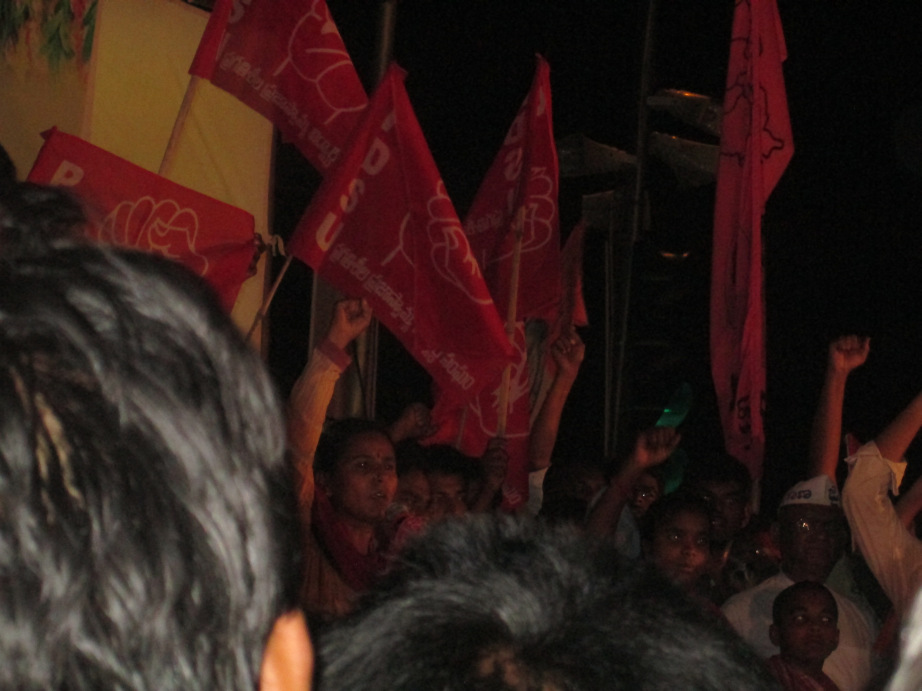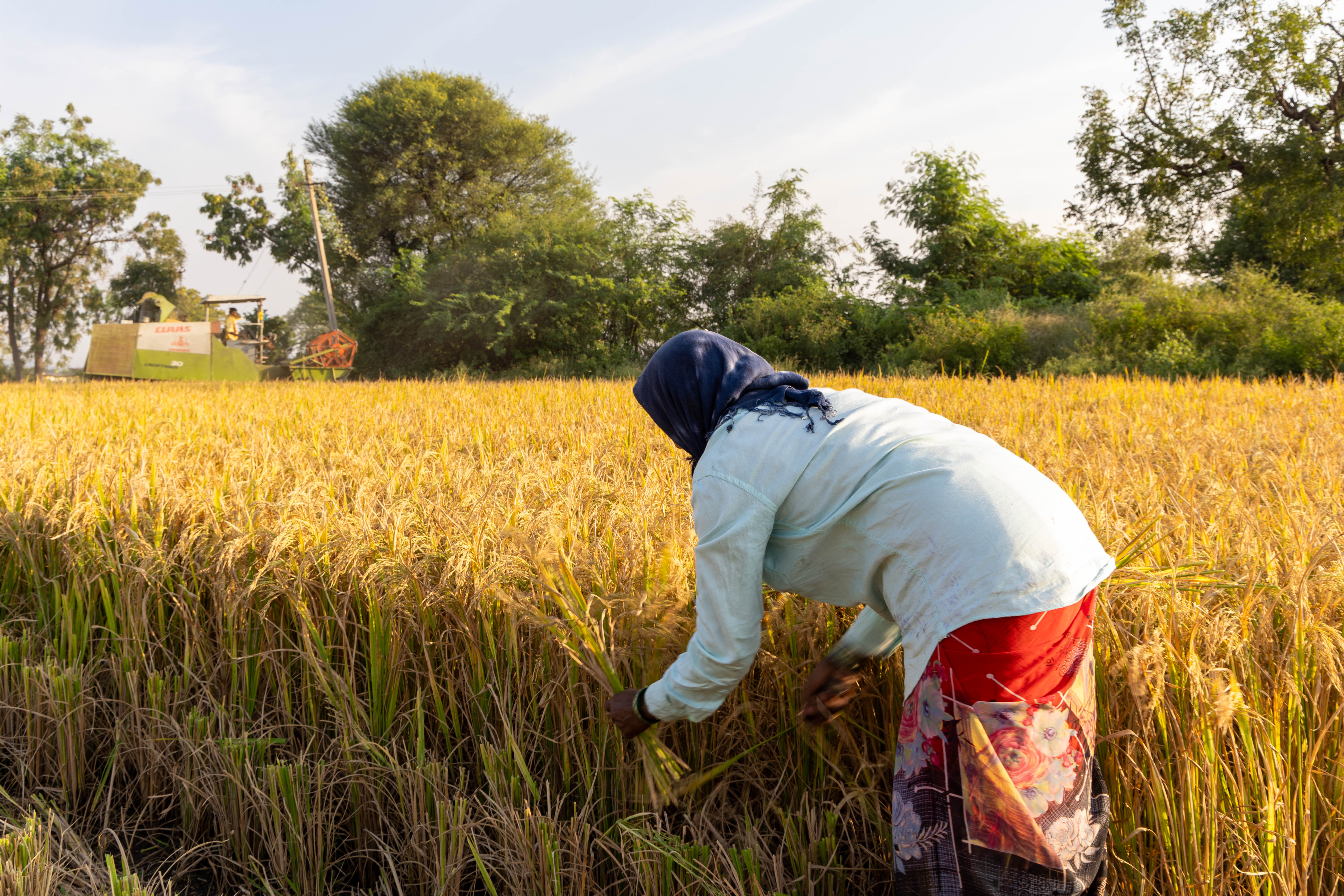
The farmer suicide crisis in Telangana became one of the defining public tragedies of the region in the decades before statehood. Districts like Warangal, Karimnagar, Nalgonda and Mahbubnagar, where the agrarian economy was most dependent on borewell irrigation and cotton cultivation, recorded some of the highest suicide rates among farming communities anywhere in India. Behind each death was the same story: a farmer who had borrowed heavily to sink a borewell, install a pump and plant a crop; who had then faced inadequate power supply for the pump, insufficient water, a failed harvest and an unrepayable debt; who had been failed by every government programme that was supposed to provide a safety net but whose budget and reach in Telangana was consistently below what the region's population required.
Understanding the farmer suicide crisis requires understanding the chain of policy decisions that created it. Each link in that chain was a choice made by the state government of Andhra Pradesh, and each choice systematically disadvantaged Telangana's farming community relative to their counterparts in Andhra's irrigated delta.
The Chain of Causes
The Artisan Crisis: The Same Pattern
The farmer suicide crisis was one face of a broader economic catastrophe in Telangana. The artisan class, the weavers, the craftsmen, the skilled workers who had practised traditional crafts for generations, faced the same combination of neglect, displacement and debt. The major industrial enterprises inherited from the Hyderabad state had been closed or sold. The Azamjahi Mills in Warangal, once the largest textile mill in Asia, had been shut down. The traditional weaving communities of Pochampally, Gadwal and Narayanpet faced the closure of their largest market as the mills that had provided institutional demand for their products disappeared.
The Economic Crisis Across Sectors in Telangana
- Farmers: Borewell debt, crop failures, no canal irrigation, inadequate power supply, below-population crop insurance allocation. Highest farmer suicide rates in multiple districts.
- Weavers: Major textile mills inherited from Hyderabad State closed or sold. Azamjahi Mills, Warangal, the largest textile mill in Asia, shut down. Traditional markets disrupted.
- Artisans: Nizam's Sugar Factory in Bodhan, the largest sugar mill in Asia, sold to Andhra investors at throwaway price. Village craftsmen's markets disrupted by industrial decline.
- Industrial workers: Sirsilk Factory, Sirpur, Spinning Mills of Antargaon, DBR Mills, Allwyn Factory, Republic Forge and Glass Factory all abandoned. IDPL and Fertiliser Factory at Ramagundem liquidated. Employment at Singareni Collieries pruned year after year despite coal production being entirely from Telangana.
- Urban migrants: Labour abandoning rural areas in distress, migrating without guarantee of employment. Families left behind without breadwinners. The rural distress drove unabated migration that further hollowed out Telangana's villages.
- Tribals: In agency areas, tribal communities perished from seasonal diseases in the absence of minimum medical facilities. Infant sale by tribals was documented as a consequence of extreme poverty. Tribal population constituted about 12% of Telangana but received reservations based on a state-wide average of only 6%.
Mahbubnagar: The District That Summarises Everything
No single district in Telangana illustrates the consequences of the integrated state's policies more starkly than Mahbubnagar. The longest stretch of the Krishna river in any single district of India flows through Mahbubnagar. Yet Mahbubnagar became one of the most agriculturally distressed districts in the state, recording severe farmer suicides and persistent drought conditions decade after decade.
The Krishna Water Disputes Tribunal itself noted, in its report, that had the Hyderabad state not been divided, the residents of this area would have had better chances of getting irrigation facilities. The district sat on one of India's greatest rivers and could not irrigate its fields adequately. That was not geography. That was the accumulated consequence of fifty years of irrigation projects abandoned, delayed and defunded by a state government whose priorities lay in Andhra's delta.
There is a deepening crisis in the agricultural sector causing ever increasing suicides of farmers. Artisan class is in distress. Suicides of weavers and village craftsmen are increasing year by year. The distress in the rural areas is causing unabated migration of labour, abandoning their houses and families. The longest stretch of flow of the Krishna river is in Mahbubnagar district. Yet the district is converted almost into a desert.
On the economic crisis in Telangana's rural districtsThe farmer suicide crisis and the broader economic catastrophe it represented were not symptoms of Telangana's inadequacy or the incapacity of its people. They were symptoms of a state structure in which Telangana's resources were systematically redirected elsewhere, its development was systematically deprioritised, and its people were systematically left to manage the consequences of those choices without adequate government support. The separate state of Telangana, when it came in 2014, inherited the accumulated damage of all those choices. Addressing that damage, through Mission Bhagiratha for water, Rythu Bandhu for farmer income, Kaleshwaram for irrigation, became the defining work of the new state's first decade.