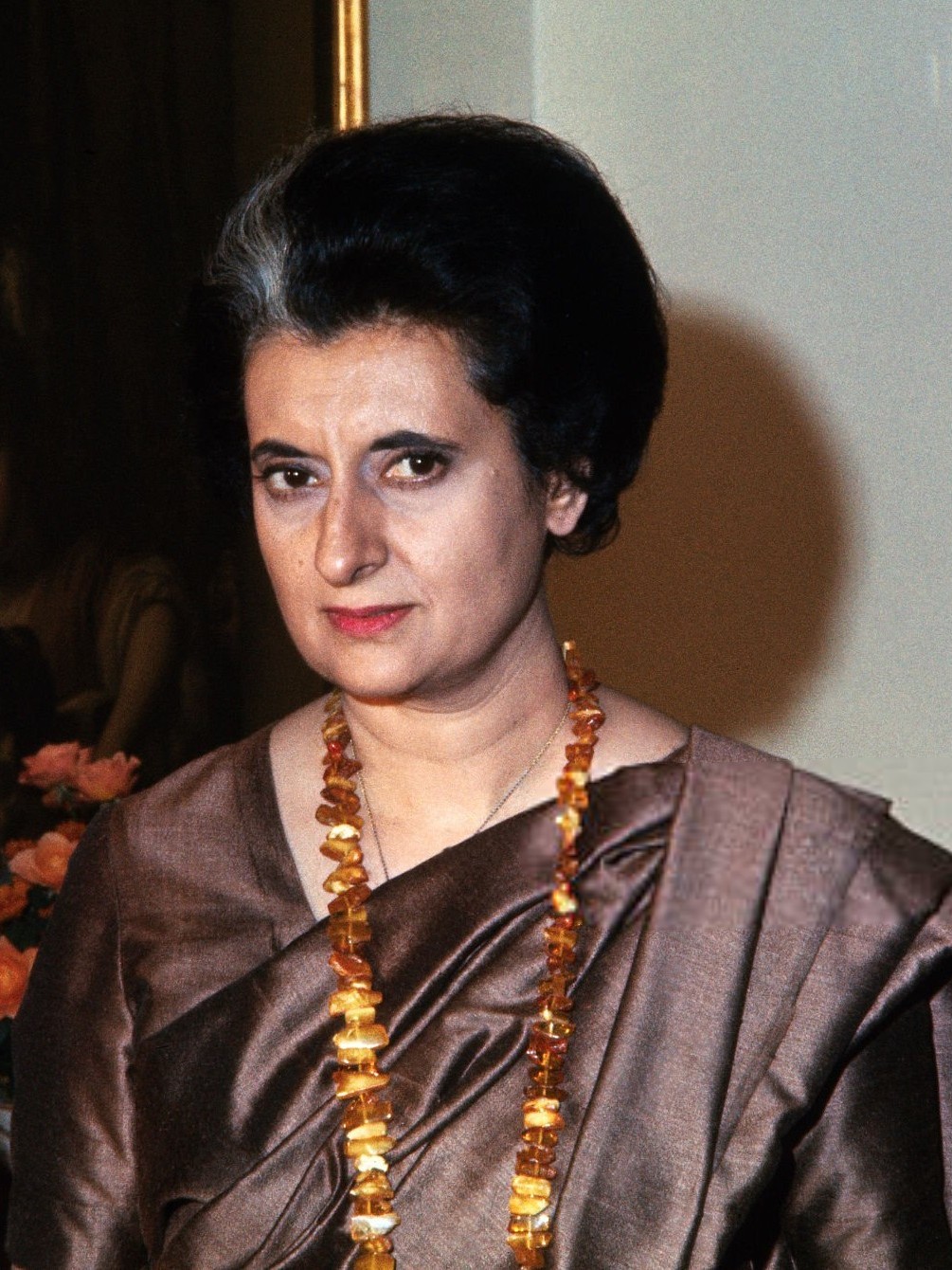
The Six Point Formula of 1973 was born from a political necessity, not a genuine commitment to Telangana's rights. The Jai Andhra movement had forced the central government to nullify the Supreme Court's validation of the Mulki Rules. But the political optics of simply stripping away all of Telangana's protections were too damaging. A replacement had to be offered. The Six Point Formula was that replacement, a diluted set of safeguards designed to be acceptable to Andhra's leadership while appearing to give Telangana something in return for what it had lost.
From the beginning, the Six Point Formula was weaker than the Mulki Rules it replaced. The Mulki Rules had a clear residential requirement and were judicially enforceable, as the Supreme Court had just demonstrated. The Six Point Formula relied on administrative compliance and political will. In a state where the administrative machinery was dominated by Andhra personnel and the political will to enforce Telangana's rights was essentially absent, neither condition was ever reliably present.
The Six Points and Their Fate
The Six Point Formula, a diluted form of safeguards, was foisted on the people as an alternative. Even this formula has been, and continues to be, violated with impunity, robbing the people of Telangana of whatever little was left in the name of safeguards.
On the Six Point Formula and its violationThe Presidential Order 1975: One More Layer, One More Violation
Two years after the Six Point Formula, in 1975, the Government of India issued the Presidential Order under Article 371(D) of the Constitution. This gave the employment protections for Telangana constitutional backing, making them part of the constitutional framework of the state rather than just an administrative formula. It was meant to be stronger than anything that had come before.
It was violated for 34 years. The state's own recruitment agencies, the APPSC, the DSC, the Police Recruitment Board, simply did not implement the Presidential Order's provisions for local reservation in Telangana. By 2006, when the state's own Employee Census confirmed the situation, approximately 40% of government employees working in Telangana were non-locals placed there in violation of the Presidential Order.
The Pattern That Never Changed
The Six Point Formula and Presidential Order episode is one chapter in a pattern that runs through the entire history of the integrated state. The pattern is always the same. A grievance becomes a movement. The movement is suppressed by force or political pressure. A new formula or agreement is announced to quieten the agitation. The formula is violated. The grievance intensifies. The cycle repeats.
The Complete Pattern: Protections Issued and Broken, 1956 to 2009
- 1956, Gentlemen's Agreement. Violated from Day One.
- 1969, All Party Accord. Shelved within six months.
- 1969, Eight Point Formula of Indira Gandhi. Never implemented.
- 1969, Five Point Formula of Indira Gandhi. Never given a fair trial.
- 1972, Supreme Court upholds Mulki Rules. Parliament overturns judgment in 1973.
- 1973, Six Point Formula. Violated continuously for the entire remaining life of the integrated state.
- 1975, Presidential Order under Article 371(D). Violated for 34 years by state recruitment agencies.
- 1985, GO 610, ordering the repatriation of some 60,000 illegally appointed non-local employees. Left under "active consideration" for 25 years across seven successive Chief Ministers. Never implemented.
- 2006 to 2009, Repatriation orders issued for non-local employees. All stayed by courts. Never implemented.
- Result: Every protection failed. Every agreement was broken. Every formula was violated. The only reliable protection was a separate state.
Each failure in this list had the same cause: in a state where Andhra's numerical majority controlled the legislature, the administration and the political leadership, there was no mechanism to force compliance with protections that Andhra's leadership found inconvenient. The Six Point Formula and the Presidential Order could not be enforced because the people responsible for enforcing them were the same people whose interests lay in violating them.
This is the fundamental political lesson of the Six Point Formula. It is not that the formula was poorly designed or that its provisions were unclear. It is that within the integrated state, Telangana had no power to enforce its own rights against the will of Andhra's majority. The only solution to that structural problem was a separate state. That conclusion, which had been reached by the people of Telangana in 1956, was confirmed by the failure of every formula, every accord and every constitutional order in the decades that followed.